

What a Cayman home really costs
There is no annual property tax in the Cayman Islands, so the money you need up front is what decides whether a place is within reach: stamp duty on the transfer and on the mortgage, Land Registry, legal and bank fees. This works all of it out, then shows the homes and land for sale that fit your numbers.
Asking prices from 12 Cayman property websites, last read 26 September 2026, 06:06 UTC. See the listings
Worth a look
A few picked out of today's listings: the best value per square foot, the ones inside the first-time buyer band, and whatever came on the market most recently.
 CIREBANo duty for a first-time Caymanian buyerCI$355,000Mt. Pleasant 4 Bed - 3 Bath HomeAbout CI$2,181 a month at 15% down
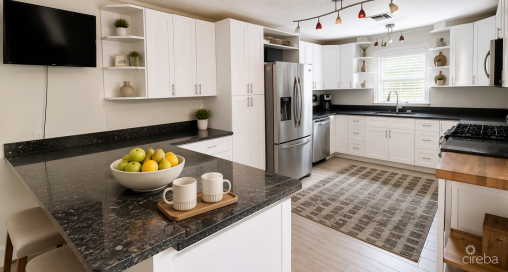 CIREBACI$210/sq ft, below the house medianCI$745,000Fixer Upper Spacious Family Home On A Private Half Acre LotAbout CI$4,577 a month at 15% down
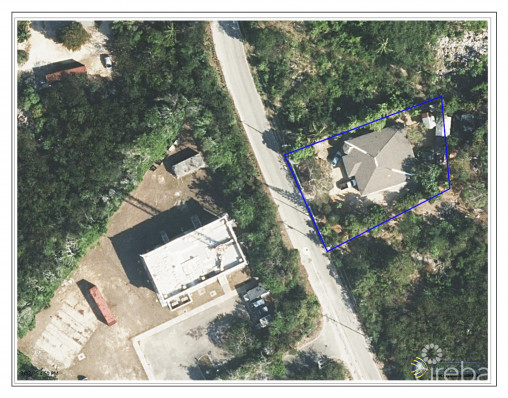 CIREBACI$222/sq ft, below the house medianCI$599,000House - High RockAbout CI$3,680 a month at 15% down
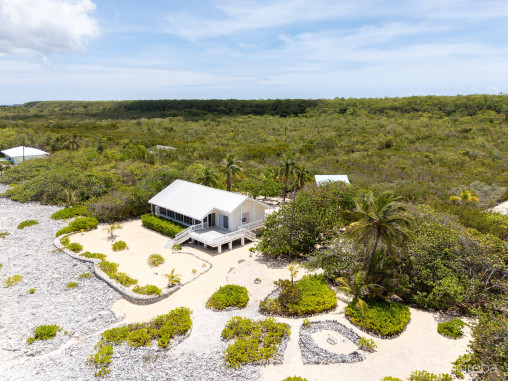 CIREBACI$223/sq ft, below the house medianCI$810,980Palm BreezesAbout CI$4,983 a month at 15% down
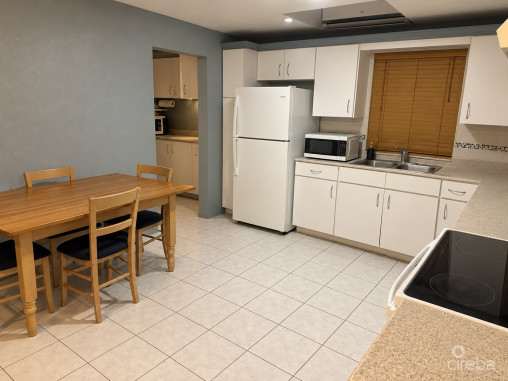 CIREBACI$225/sq ft, below the condo medianCI$675,000Pepi Street Duplex (with Dock)About CI$4,147 a month at 15% down
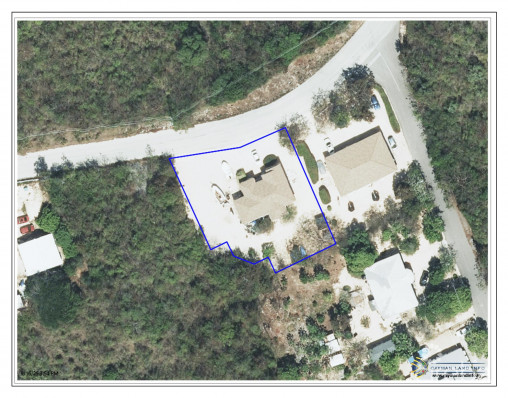 CIREBANo duty for a first-time Caymanian buyerCI$399,000Family Home In Cayman BracAbout CI$2,451 a month at 15% down
The market by district
Median asking price of what is on the market right now. Land drags the median down where most of the listings are lots rather than houses.
| District | Listings | Homes | Land | Median asking | |
|---|---|---|---|---|---|
| George Town | 239 | 198 | 36 | CI$858,999 | See → |
| Bodden Town | 121 | 60 | 61 | CI$580,000 | See → |
| Seven Mile Beach | 121 | 107 | 14 | CI$3,362,000 | See → |
| East End | 119 | 15 | 104 | CI$175,000 | See → |
| West Bay | 95 | 91 | 3 | CI$1,148,000 | See → |
| Cayman Brac | 82 | 18 | 64 | CI$209,590 | See → |
| North Side | 72 | 30 | 42 | CI$723,590 | See → |
| Little Cayman | 37 | 9 | 28 | CI$225,500 | See → |
What this can tell you
Your monthly payment and cash to close
Stamp duty at 7.5%, or 10% from CI$2M since January 2026, plus the Caymanian first-time and second-property concessions, mortgage duty, registry, legal and bank fees — with the thresholds that cost you if you cross them.
Open the calculator →Equity in a home you own
What your property is worth less what you still owe, how much of it a bank would lend against at 90, 80 or 70% loan-to-value, and what releasing it would cost in duty, fees and monthly payments.
Work out your equity →What you can afford
Put in your income and what you have saved, and it works out the highest price your cash and a lender's one-third-of-income guide will carry, then shows the listings inside it.
Try it →Rent or buy
Cayman rents are high enough that the comparison is worth doing properly: mortgage, strata, insurance, upkeep and the duty on the way in, against rent and rent rises — with the year buying pulls ahead.
Compare the two →Questions people ask
The rules behind the calculators, in plain terms. Every figure here is the one the calculators use.
How much is stamp duty when buying property in the Cayman Islands?
Stamp duty on a transfer is 7.5% of the dutiable value, or 10% of the whole value once the price reaches CI$2,000,000. A Caymanian buying a first property pays nothing up to CI$550,000 on a home, then 3.75% on the next CI$100,000; buying jointly, two to ten Caymanians have a CI$600,000 threshold.
Is there property tax in the Cayman Islands?
No. There is no annual property tax, no income tax and no capital gains tax in the Cayman Islands. The costs to plan for are the one-off duty and fees when you buy, and then strata fees, insurance and upkeep.
Is stamp duty charged on the mortgage as well?
Yes. Mortgage stamp duty is 1% of the sum secured up to CI$300,000, and 1.5% of the whole sum above that. It is charged on the charge document, so it applies to a new mortgage and to further borrowing.
When does stamp duty have to be paid?
Within 45 days of the documents being executed. After that, interest accrues on the unpaid duty.
Can a foreigner buy property in the Cayman Islands?
Yes. There are no restrictions on foreign ownership of residential property and no licence is needed for a normal purchase, though a land holding licence can apply to large acreage or business use. Title is registered and guaranteed by the government.
How much deposit do Cayman banks ask for?
Commonly 10% to 15% on a primary home for Caymanians and residents, and more from non-residents, where financing is generally available up to about 70% of value over shorter terms. Raw land usually needs around 50% down. Each bank sets its own criteria.